Table of contents
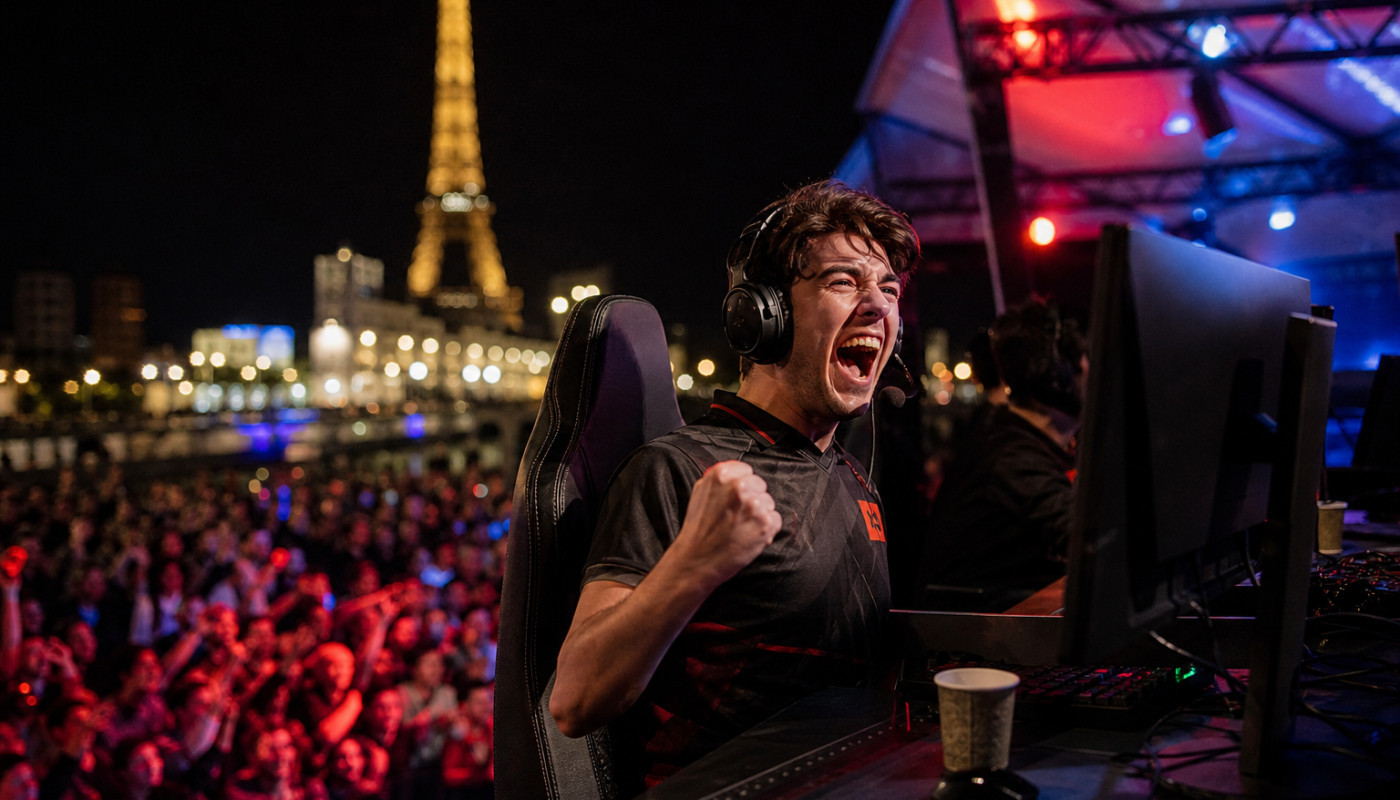
Paris has always known how to keep its nights busy, from packed terraces in Oberkampf to the long queues outside clubs along the Seine, yet a quieter revolution is now reshaping the city after dark, and it is powered by competitive gaming. Dota 2 tournaments, watch parties, and betting-adjacent broadcasts have turned weeknights into appointment viewing, pulling crowds into bars that once relied almost exclusively on football, and giving nightlife operators fresh reasons to program events outside the traditional weekend peaks.
From techno basements to Dota watch bars
Who said Paris nights belonged only to DJs? Over the past two years, several venues that built their identity on DJ sets and major football fixtures have started experimenting with esports screenings, and Dota 2 has become one of the formats that converts best into a “collective night out” experience. The logic is simple: matches are long enough to anchor an evening, dramatic enough to spark real-time reactions, and international enough to draw mixed crowds of residents, students, and tourists who may not share the same relationship to Ligue 1, but immediately understand a last-second teamfight.
The ecosystem feeding those nights is no longer niche. Esports viewership, across titles, has matured into a stable media habit for many under-35s, and Dota 2 sits in a rare category of games that can still deliver arena-scale spectacles. The International, the game’s flagship annual championship, has repeatedly posted prize pools that dwarfed most traditional sports tournaments, even after recent shifts in funding models, and that legacy matters in how audiences perceive the stakes. In practical terms, it means a Paris bar doesn’t need a local team to make the night feel important: the narrative is global, the personalities are known, and the matches carry enough consequence to keep customers ordering between maps.
What changes nightlife is the schedule. Football concentrates demand, especially on weekend evenings, while Dota 2’s competitive calendar and time zones often create prime viewing windows midweek, and that is gold for operators trying to fill a Tuesday or Wednesday. Add the rise of co-streaming culture, where creators narrate games with their own communities, and you get a new kind of appointment: not just “the match”, but “the match with that voice you trust”. That shift pulls people out of their apartments and into public spaces, because the social layer becomes part of the product, and Paris, a city that thrives on being seen, adapts quickly.
Late matches, longer tabs, fuller rooms
Midnight still sells. Dota 2 does not fit neatly into a 90-minute window, and that very inconvenience is helping certain Paris venues extend the evening without forcing it. A best-of-three series can stretch across several hours, punctuated by analysis segments and breaks that function like natural moments to order another round, and unlike background playlists, the screen becomes a shared focal point that resets attention again and again. For bars that have struggled with the post-pandemic volatility of foot traffic, those rhythms are appealing, because they transform passive customers into a crowd that stays.
There is also a measurable macroeconomic backdrop to why these formats matter. Paris nightlife has faced higher operating costs, from energy to staffing, while consumers have become more budget-conscious, and the city’s hospitality sector has had to justify every event that ties up space. Esports nights are relatively cheap to program compared with live music, they do not require heavy sound engineering, and they can be promoted through online communities at low marginal cost. When a watch party works, the return is not only on drinks; it is on habit formation. Regulars who come for Dota 2 on a Wednesday are more likely to come back for a DJ set on Friday, and the venue benefits from cross-pollination across audiences that rarely overlapped a decade ago.
Betting culture, too, has been part of the broader media environment around esports, and while responsible messaging remains essential, it is undeniable that odds, predictions, and pre-game analysis have become content formats in their own right. The result is that a match is no longer just watched; it is discussed, forecast, and dissected, and that pushes engagement upward. For readers trying to understand how that information circulates, this informative post maps out how Dota 2 betting-related coverage is structured, which helps explain why certain matchups generate outsized attention and why bars sometimes schedule nights around “predictable peaks” in interest.
Paris is building its own esports rituals
It starts with a screen, then it becomes a ritual. Paris has always been good at turning cultural imports into local habits, and esports is following the same pattern: not a copy of Seoul PC bangs or North American arena shows, but a French, city-scale version rooted in cafés, bars, and community venues. The most successful nights are not the ones that mimic a stadium; they are the ones that feel unmistakably Parisian, with curated drink menus, small groups debating drafts like they debate cinema, and staff who learn the basics of the game well enough to anticipate when the room will erupt.
Dota 2 is particularly suited to this because it rewards explanation. The game’s complexity, with its hundreds of heroes, items, and strategic layers, makes the viewing experience richer when shared with someone who can decode it, and Paris has no shortage of talkers. That social decoding is what turns “watching” into “going out”. It also helps that the city already hosts major gaming gatherings and industry moments, from trade shows to influencer-led events, which provide a steady pipeline of visitors and locals looking for nightlife alternatives that do not revolve around traditional clubbing.
Another driver is the growing professionalism of esports production. Modern broadcasts are polished, with clear graphics, replays, and narrative segments that resemble traditional sports television. That makes it easier for venues to treat the content as premium programming, not as a niche stream. When the production looks like sport, customers behave like sports fans: they arrive early for the draft, they argue over picks, and they stay late because “one more game” becomes the night’s internal logic. In a city where social calendars are crowded, any format that creates urgency, and does it repeatedly, earns a place.
What it means for clubs, sponsors, and the city
This is not just about gaming; it is about urban leisure. As Paris prepares for years of continued tourism pressure and post-Olympic rebalancing, nightlife businesses are looking for programming that differentiates them without pricing out locals. Esports nights offer a middle path: the audience expects atmosphere and community more than luxury bottle service, and that can keep entry costs low while still supporting strong bar revenue. For clubs, the lesson is not to replace music, but to diversify the week, using esports on quieter nights and reserving peak slots for traditional programming.
Sponsors have noticed. Brands that once treated esports as a digital-only play now see value in physical activations, because the in-person layer makes content more credible, and because it produces shareable scenes: a packed room reacting to a base defense reads as authentic fandom. That authenticity is what marketing departments chase, especially as younger consumers become more skeptical of polished advertising. The city, meanwhile, benefits from the soft power of being perceived as a place where global culture happens in real time, not months later. Paris is not merely hosting viewers; it is hosting communities, and communities spend money locally.
There are, of course, constraints. Noise regulations, licensing rules, and neighborhood tensions have always shaped Paris nightlife, and any operator leaning into watch parties has to manage volume, crowd flow, and responsible service. But the direction is clear: competitive gaming, and Dota 2 in particular, is adding a new layer to the city’s nocturnal economy, one that is less dependent on weather, less tied to domestic sports calendars, and more aligned with how under-35s consume entertainment. In the long run, that shift could help stabilize venues caught between rising costs and unpredictable demand, because a calendar built on multiple cultures, not one, is harder to break.
How to plan a Dota night out
Skip the last-minute scramble. Check match times early, because international tournaments can start late in Paris, and venues that screen them often fill up faster than expected, especially for playoff nights. If you are going with friends who do not follow Dota 2, pick a bar that offers commentary sound and space to talk, and set a budget before you arrive, because long series can quietly turn into long tabs.
For students and younger workers, keep an eye on community screenings that are free or low-cost, and if you are traveling, ask your hotel reception which neighborhoods have late-opening sports bars, as they are often the first to embrace esports. Finally, plan your ride home, because matches can run past the metro’s busiest windows, and a smooth exit is what makes the night feel like a win.
On the same subject